


Zero-Trust Web Security: Protecting Modern Websites in 2026
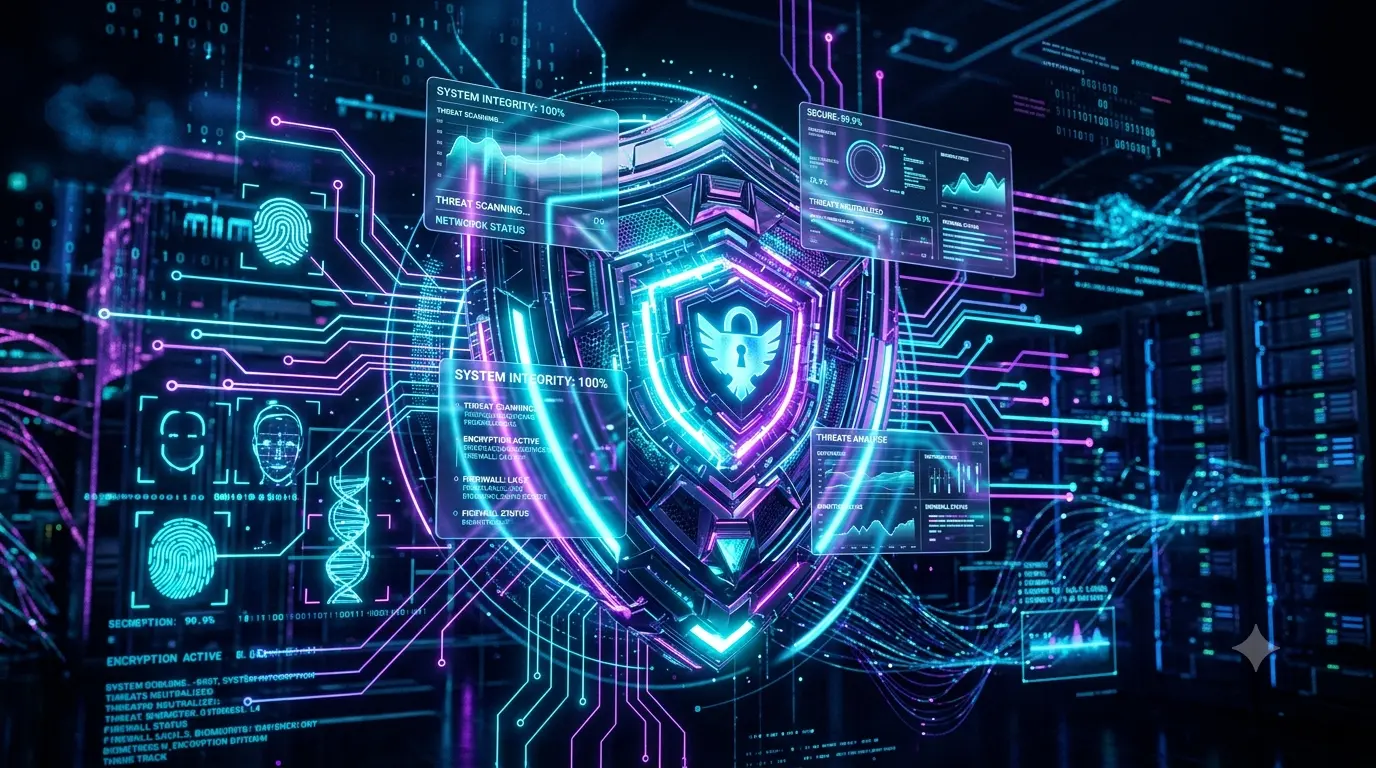
For years, website security relied on a simple concept: perimeter defense. You set up a web application firewall (WAF), installed an SSL certificate, enabled two-factor authentication for admin accounts, and assumed everything inside your server boundary was safe.
In 2026, that traditional model is no longer sufficient. As automated bot networks, intelligent credential-stuffing tools, and supply-chain vulnerabilities expand, modern web platforms require a fundamental security shift.
Enter Zero-Trust Web Security—a framework built on one simple rule: Never trust, always verify.
At Square Code Digital, we build secure, scalable, and resilient digital architectures. Here is how Zero-Trust principles are redefining modern website security and protecting online businesses today.
1. What is Zero-Trust Architecture in Web Development?
Traditional security operates like a castle with a moat: once someone passes the gate, they have free movement inside. Zero-Trust treats every user, request, and third-party plugin as a potential risk—even if it originates within the network.
When applied to modern website design and web applications, Zero-Trust focuses on:
-
Micro-Segmentation: Isolating database queries, user management systems, and admin controls so an breach in one area cannot compromise the entire platform.
-
Least-Privilege Access: Restricting user and API permissions strictly to what is necessary for a specific session or task.
-
Continuous Authentication: Verifying sessions dynamically based on behavior, device health, and context rather than relying solely on a one-time login.
2. Beyond Passwords: Biometrics & Passkeys
Static passwords are one of the weakest links in digital security. Cybercriminals use sophisticated automated tools to bypass traditional login screens.
Modern websites are transitioning toward Passkeys and Biometric Web Authentication (WebAuthn):
-
Passwordless Logins: Users authenticate via device biometrics (Face ID, fingerprint scanners, or hardware keys).
-
Phishing Resistance: Passkeys are cryptographically bound to your specific website domain, rendering phishing sites completely ineffective.
-
Frictionless User Experience: Security doesn’t have to frustrate users; biometric authentication speeds up the login process while improving safety.
3. Reducing Third-Party Code Risk (Supply-Chain Defense)
One of the most common ways websites get compromised isn’t through direct attack, but through vulnerable third-party plugins, scripts, and libraries.
A Zero-Trust web strategy addresses this by:
-
Minimizing External Plugins: Replacing bloated, unverified plugins with clean, custom-engineered code.
-
Strict Content Security Policies (CSP): Restricting where scripts, fonts, and stylesheets can load from, preventing malicious injection attacks (XSS).
-
Subresource Integrity (SRI): Ensuring that externally hosted assets haven’t been manipulated or modified by bad actors.
4. Continuous API & Data Encryption
Modern websites rely heavily on APIs to connect payment gateways, CRM software, and external web services. Unprotected or poorly configured APIs act as open doors for data exfiltration.
Under a Zero-Trust framework:
-
All internal and external data transmissions are encrypted end-to-end.
-
API requests require strict rate limiting, cryptographic tokens, and ongoing payload inspection.
-
Sensitive database fields (like customer information) remain encrypted at rest, ensuring that even in the event of unauthorized database access, the underlying data remains unreadable.
Conclusion: Is Your Website Built for 2026 Security Standards?
Cybersecurity is no longer an afterthought or an annual checkup—it must be baked into every line of code, server config, and user interface. Implementing Zero-Trust principles ensures your website protects your user data, preserves customer trust, and maintains uninterrupted business operations.
At Square Code Digital, we specialize in custom web development, clean architectural engineering, and robust web security solutions designed for long-term growth.
Want to ensure your site is secure, fast, and resilient? Contact Square Code Digital Today and let’s audit and upgrade your digital platform.